Friday, 10 January 2025

SHYONAK: A Plant with Incredible Medicinal Value


Shyonak or the Indian trumpet tree is one of the most important medicinal plants in Indian and Chinese systems of medicine. Botanically known as Oroxylum indicum, it belongs to the Jacaranda family (Bignoniaceae). It has been used for centuries in traditional medicinal systems in India, China and other Southeast Asian countries for the prevention and treatment of several diseases, such as jaundice, arthritic, rheumatic problems, gastric ulcers, tumours, respiratory diseases, diabetes, and diarrhoea and dysentery, among others. Its seeds adorn the beautiful green Pahari Caps worn by the people from Kinnaur in Himachal Pradesh, where they call its winged seeds Kinnauri phool.


NAMES IN DIFFERENT LANGUAGES
• English: Indian trumpet tree, Indian caper, Indian trumpet flower, Broken bones tree (fallen large-sized leaf stalks collect near the base of the trunk, appearing like a pile of broken limb bones), Scythe tree, Tree of Damocles, Laminated paper, Midnight horror (because its flowers open at night, emitting foul stink that attracts bats to facilitate pollination)
• Hindi: Bhut-vriksha, Dirghavrinta, Kutannat, Manduk, Patrorn, Putivriksh, Shallak, Shuran, Son, Sonpatha, Saona, Vatuk, Urru, Arlu, Ullu
• Sanskrit: Shyonak, Aralu
• Punjabi: Mulin, Tatmorang
• Pahari: Tatplang, Tatplanga (Kangra, Hamirpur, Una), Tarlu, Tat madenga (Bilaspur), Tat madhyanga, Tat modhinga (Bhaghli), Arlu, Aerlu (Bilaspur), Tat maranga (Solan),  Tat badinga, Tat patnaga (Sirmaur), Alse, Alsu ri tata (Mandi), Khwar, Chamkha (Kinnaur)
• Dogri: Tantaan
• Assamese: Toguna, Bhatghila, Dingari
• Bengali: Sona, Nanosa, Sonpatti
• Gujrati: Aralu, Tentu
• Kannada: Bunepale, Sonepatta, Tigdu, Tigade, Tattuna, Anangi, Alangi, Patagani, Salaa
• Konkani: Davamadak
• Malayalam: Palaqapayyani, Vashrppathiri, Vellappathiri , Palakappayyani, Vella, Pathiri
• Manipuri: Shamba
• Marathi: Tayitu, Tetu, Tentu
• Mizo: Archangkawm
• Nepali: Tatelo
• Oriya: Phapni, Phonphonia
• Singhali: Totila, Thotila
• Tamil: Chori-Konnai, Palai-y-Utaicci, Puta-Puspam, Cari-konnai, Kalai-y-utaicci, Puta-puspam, Achi, Pana, Pei-maram, Venga maram, Peruvaagai
• Telugu: Manduka-Parnamu, Pampena, Suka-Nasamu, Tundilamu , Dundilamu, Pampini, Nemali, Chettu
Source: eFloraofIndias, Flowers of India, Wealth of India

A mature Shyonak tree

DISTRIBUTION
The Indian trumpet tree is native to the Indian subcontinent, growing to the Himalayan foothills up to an altitude of 1200 metres above mean sea level. It has also been introduced into Trinidad and Tobago.

Leaves of Shyonak
Leaf stalks resemble broken human limb bones and thus this plant is also called a "Broken bones tree"
(Photo courtesy: Jaydip D. Gadhiya, MS University of Baroda)


MORPHOLOGY
The Indian trumpet tree is a semi-deciduous tree growing to a height of up to 25m. The trunk has grey-brown bark with leaf scars of fallen leaf stalks. The leaves are large, compound, 2 – 4-pinnate, imparipinnate and range in length from 50 to 130 cm. The leaflets are ovate to oblong, with an entire leaf margin, acute to acuminate leaf tip and unequal to cuneate leaf base. They have 4 – 5 pairs of lateral veins, glands scattered on the underside of young and some mature leaves and are mostly 4 – 11 cm long and 3 – 9 cm wide. As the leaves fall, the leafless stalks break apart at the joints and resemble the appearance of limb bones and the plant gets its name broken bone tree. Inflorescence is a long, erect, and terminal raceme, measuring about 25 – 150 cm long. The flowers are large, brownish-yellow to purplish in colour, funnel-shaped, 7 – 10 cm in size. They open at night and emit a foul smell to attract bats for pollination and wilt before sunrise. Calyx is purple, campanulate, 2.2-4.5 X 2-3 cm in size, glabrous, and becomes semi-woody in fruits. Corolla is brownish yellow to purplish in colour, broad tubular with distinct lobes, tube fleshy and 3-9 X 1-1.5 cm in size. Corolla tube is bilipped, upper lip 2-lobed, lower lip 3-lobed and lobes are reflexed. Five stamens are hairy and inserted in the middle of the corolla tube. The ovary is fleshy, 5-lobed, and has a 2-parted stigma. Fruits is a woody, compressed, sword-shaped capsule that measures 40-120 X 5-10 cm in size. Seeds are rounded with papery wings and measure 5-9 X 3-4 cm in size.
Seedpods/Capsule

Seeds of Shyonal

MYTHOLOGY

Indian trumpet tree is deeply nestled in the mythology of India and other countries of the Indian subcontinent. The winged seeds are strung together and offered to the gods and goddesses in Buddhism. In Assam, people hang its branches over their house entrances to ward off evil spirits. The tribal people of central India keep the seedpods of this plant in their houses with the belief that snakes will not enter them in their presence.  They also keep small snakes made up of its root wood for the same purpose. Those people also believe that keeping flowers of the Indian trumpet tree in their homes will protect them against evil spirits. Some people in the Himalayas hang garlands made up of winged seeds of Indian trumpet trees from the roof of their homes with the belief that it will protect them. In some areas, winged seeds are strung as ornaments on idols in the temples. This plant has special importance during marriages in Nepal and Laos.


CHEMICAL CONSTITUENTS
Indian trumpet tree contains diverse bioactive phytochemicals in its different parts, which are directly associated with its healing properties. It is reported to contain various types of flavonoids, glycosides, alkaloids, tannins, terpenoids, saponins, phenols, quinines, etc. Baicalein (5,6,7-trihydroxyflavone), a flavone flavonoid is the most abundant compound present in all parts of this plant and is a dominant bioactive compound. Other major bioactive compounds are prunetin (isoflavone), sitosterol (sterol), oroxindin (flavone), oroxylin-A (methylated flavone), biochanin-A (methylated isoflavone), ellagic acid (polyphenol), tetuin (flavone), anthraquinone, and emodin.

Flowers of Shyonak
(Photograph courtesy: Prof. Soumana Datta, Jaipur)

USES

I. CULINARY USE
All parts of the Indian trumpet tree are edible and find use in various dishes in Indian Subcontinent. Flower buds, open flowers and tender seedpods can be cooked as a vegetable or can be pickled. Young seedpods are grilled, and seeds are eaten in Thailand and Laos. Flowers and tender pods are cooked as vegetable by the Bodos of Northeast India and the Chakma tribe in the Chittagong hills. It is a popular vegetable in the southeast Asian country Java. People use the mature seeds to make chub liang, a refreshing drink.

Shyonak flower vegetable
(Photograph courtesy: Prof. Soumana Datta, Jaipur)

II. CULTURAL USES
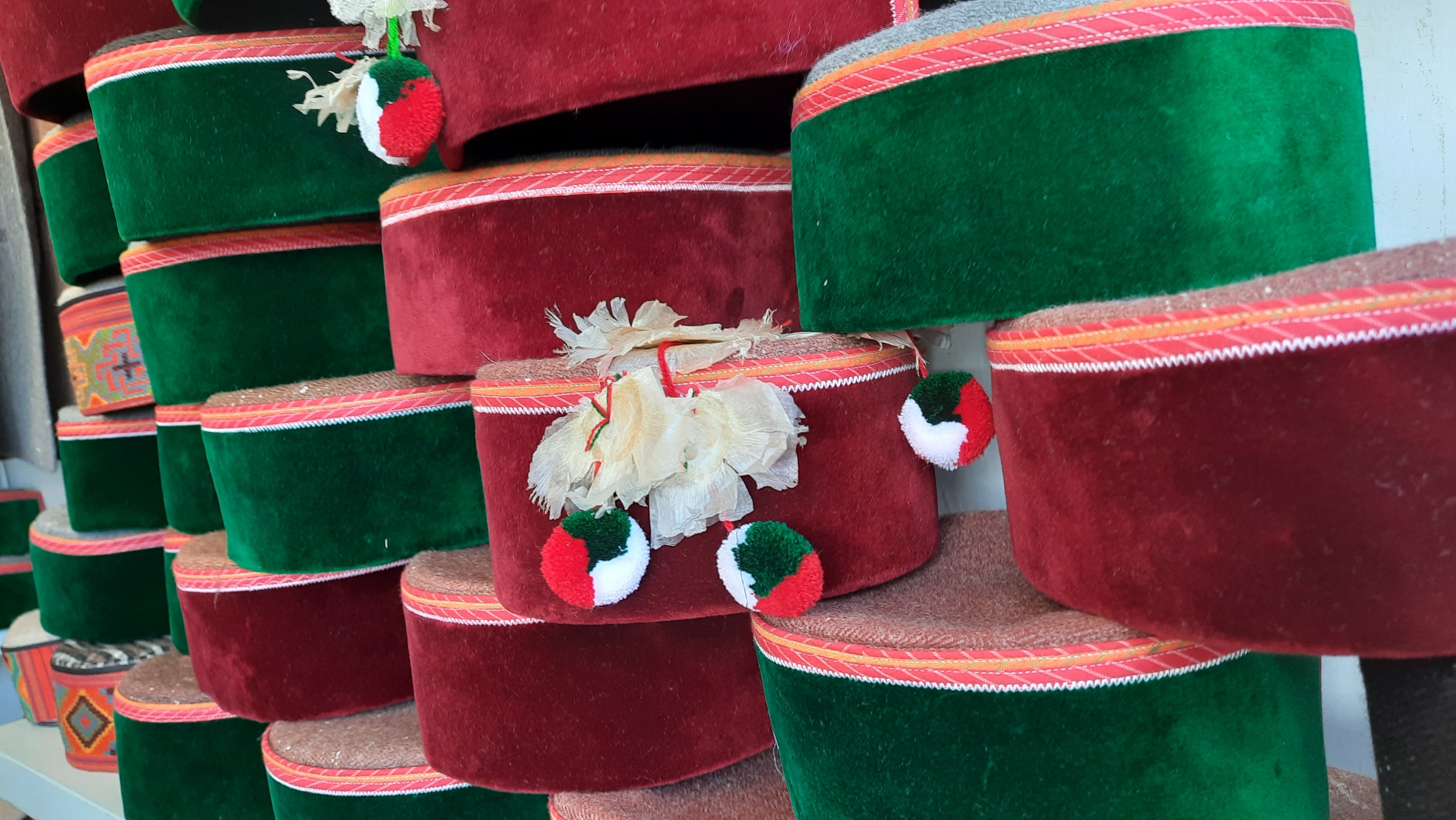
Beautiful Pahari caps adorned with Shyonak seeds

People from Kinnaur district and adjacent areas in Himachal Pradesh use winged seeds of the Indian trumpet tree as an accessory on their traditional Himachali caps. These seeds are called Kinnauri phool and are mostly sourced from Riwalsar area in Mandi (H.P.), which may be due to the religious association of Buddhists (People in Kinnaur follow Buddhism and Hinduism) with this place. Indian trumpet tree is a sacred plant in Buddhism where its seeds strung together and are offered to gods and goddesses. Another belief in the area is that Kinnauri Phool will protect them. Earlier, Kinnauri phool was used on the caps only by the well-off families as a status symbol as it was difficult to source shyonak fruits in old times. Now, it has become a fashion and can be easily procured from Bilaspur, Kangra, Hamirpur, Mandi, Solan and Sirmaur districts.

Himachali cap adorned with Kinnauri phool gifted by Prof. G.C. Negi ji

III. AGROFORESTRY USES
The Indian trumpet tree is a fast-growing species. It can be used as a pioneer species within its native range for restoring woodland on degraded soils. It is also a suitable species for the consolidation of terraces and slopes.

IV. MEDICINAL USES

1. As a Tonic and Rasayana Drug
The bark of the Indian trumpet tree is considered a Rasāyana drug (which focuses on restoring and rejuvenating health through plant-derived medicines). Its roots are integral parts of Ayurvedic preparation Dashmularishta, a widely used health tonic.

Dashmularist
Photograph source: Dabur India (https://www.dabur.com/our-brand/dabur-dashmularishta)

The bark extract of the Indian trumpet tree is reported to have anti-cancerous activity on different types of human cancer cell lines in many experimental studies. The different phytochemicals present in this plant Inhibit the proliferation of cancer cells and induce apoptotic cell death. The stem bark flavonoids baicalein, chrysin and oroxylin A are reported to inhibit the activity of endoprotease and proprotein convertase enzymes which play a key role in the growth of cancers. Flavonoid baicalin (baicalein 7-D-β-glucuronate) has growth-inhibitory effects on several human cancer cell lines through apoptosis in vitro studies and is considered the most bioactive phytochemical.

Experimental studies with Indian trumpet tree extract (Sabroxy) containing 10% oroxylin A, 6% chrysin, and 15% baicalein have shown that this plant has neuroprotective properties. It possesses antioxidant activity and decreases the damage caused by the exacerbation of radicals during neurodegeneration. It works by over-expression of brain-derived neurotrophic factor (BDNF) and additive or synergistic effects of phytoconstituents via five possible targets including GABA, Adenoside A2A and estrogen receptor bindings, anti-inflammatory effects, and reduced mitochondrial ROS production.

Baicalin present in the bark of the Indian trumpet tree is suggested to be a promising natural immunosuppressive compound for treating inflammatory auto-immune diseases. It works by up-regulating Foxp3 (forkhead/winged-helix transcription factor) mRNA expression in experimental studies with HEK 293 T cells and promotes Treg (regulatory T-cells, formerly known as suppressor T cells) cell differentiation for maintaining self-tolerance and regulating immune system homeostasis. Experimental evidence suggests that Treg cells inhibit the function of Th1, Th2, Th17, and other effector cells, thus inhibiting inflammation and preventing autoimmunity.

5. Analgesic Properties
In traditional Indian medicine, the boiled leaves of the Indian trumpet tree are used as a poultice during and after childbirth.

Recent experimental studies have shown strong anti-asthmatic activity of the stem bark of the Indian trumpet tree. It possibly works through membrane stabilization as well as its anti-histaminic potential.

7. Anti-Allergic Properties
Indian trumpet tree (bark) is used in the treatment of allergic conditions, urticaria and asthma. Fresh bark paste is externally applied on allergic dermatitis.

8. Antibacterial Activity
The stem bark extract has been reported to have potent anti-bacterial activity against Bacillus cereus, Bacillus megaterium, Bacillus subtills, Staphylococcus aureus, Sarcina lutea, E. coli, Pseudomonas aeruginosa, Salmonella typhi, Shigella boydii, Shigella dysenteriae and Vibrio mimicus.

9. Antidiabetic Activity
Indian trumpet tree has been reported to possess anti-diabetic properties in experimental animal models.

10. Anti-helminthic Activity
Indian trumpet tree has been reported to possess anti-helminthic activity in experimental studies.
Shyonal/ Indian trumpet tree bark 
(Photograph source: Amazon India)

11. Anti-Inflammatory Properties
A lot of research has been conducted to ascertain the anti-inflammatory properties of the Indian trumpet tree and reported it to be effective in managing inflammatory conditions.

12. Antioxidant Properties
Indian trumpet tree contains many bioactive phytochemicals which have good antioxidant activity.

Recent human trials with 60-85-year-old men and women in Australia have provided very encouraging results of Indian trumpet tree phytochemicals in improving cognitive function in older adults with self-reported cognitive complaints. The trial group was treated with 500 mg Sabroxy (10% oroxylin A, 6% chrysin, and 15% baicalein) for 12-week twice daily. The trial group responded very well to the treatment with greater improvements in episodic memory and a faster rate of learning.

The bark of the Indian trumpet tree has been used for birth control in the North-Eastern part of the country for ages. Recent pharmacological studies on female rats have reported that it has abortifacient and anti-implantation activity through the regulation of gonadotropic releasing hormone (GnRH) and luteinizing hormone (LH) levels.

Indian trumpet tree is considered to have a gastroprotective activity. It has been reported to significantly reduce gastric ulceration against ethanol-induced gastric damage.

16. Hepatoprotective Activity
The bark of the Indian trumpet tree is used in liver-related problems in Indian traditional folk medicine. The leaf, stem and root bark extracts have also shown significant hepatoprotective activity against CCl4 and paracetamol-induced liver damage in experimental animals.
Photograph source: Patanjali Ayurved, Haridwar

Experimental studies on rats have shown that bark extract of the Indian trumpet tree reduces the body weight, total cholesterol, triglyceride, and low-density lipoprotein cholesterol levels in the animals, while it increases the high-density lipoprotein cholesterol.

18. Immunomodulatory Activity
The immunomodulatory activity of the Indian trumpet tree can be attributed to its ability to enhance specific immune responses (both humeral and cell-mediated) as well as to its antioxidant potential.

19. Nephroprotective Activity
The root and leaf decoction of the Indian trumpet tree are used to remove kidney stones in the Indian system of medicine. It has been reported to play a protective role against cisplatin-induced renal injury in Wistar male albino rats. The nephroprotective activity has been assigned to different flavonoids present in the bark.

20. Useful in Cough
Indian trumpet tree is considered useful in bronchitis and chronic coughs due to its ability to clear congestion and improve breathing.
Shyonal fruits in Nurpur

AYURVEDIC PREPARATION
Dasamularistha, Syonaka putapaka, Syonaka sidda ghrta, Brhatpancamulyadi kvatha, Amartarista, Dantyadyarista, Narayana Taila, Dhanawantara Ghrita, Brahma Rasayana, Chyavanaprasa, etc.

TOXICITY
Literature indicates that Indian trumpet tree extract taken in physiologically relevant doses (3-6 grams bark powder or 50-100 ml decoction or 250-500 mg capsules/tablets taken twice a day) do not have any adverse effects on serum parameters, liver and kidney (1). However, studies on animal models have shown that fruit extract may cause acute liver toxicity in doses above 2 g/kg body weight (2). Leaf extract in doses above 0.5 g/kg body weight exhibits sub-acute toxicity in animal models (3).

DISCLAIMER
This blog is for informational purposes only. Readers are advised to consult registered medical practitioners before using plant-based medicine.


Top view of Shyonal tree


REFERENCES

  1. Bhakti, S., Rashmi, A., Yash, N. and Tejas, G. 2015. Evaluation of Anti Asthmatic Potential of Methanolic Extract of Stem Bark of Oroxylum indicum Vent, J. Pharma Research 4(5): 193-196.
  2. Chan, F.L., Choi, H.L., Chen, Z.Y., Chan, P.S.F. and Huang, Y. 2000. Induction of apoptosis in prostate cancer cell lines by a flavonoid, baicalin. Cancer Letters 160 (2): 219-228.
  3. Harminder, Singh, V., and Chaudhary, A.K. 2011. A Review on the Taxonomy, Ethnobotany, Chemistry and Pharmacology of Oroxylum indicum Vent. Indian J. Pharmaceutical Sciences 73 (5): 483–490.
  4. Daniel, M. 2013. Useful Herbs of Planet Earth. Scientific Publisher (India), Jodhpur
  5. Das, B., Mahapatra, M., Gurung, B., Dey, A., Nongalleima, K., Das, S., Talukdar, A.D., Chowdhury, A., Choudhury, M.D. and Deb, L. 2024. Antifertility activity of Oroxylum indicum Vent. stem bark on female Wistar rats. Ind. J. Traditional Knowledge 23 (2): 198-199.
  6. Dinda, B., SilSarma, I., Dinda, M. and Rudrapaul, P. 2015. Oroxylum indicum (L.) Kurz, an important Asian traditional medicine: From traditional uses to scientific data for its commercial exploitation. J. Ethnopharmacology 161: 255-278.
  7. Doshi, K., Ilanchezhian, R., Acharya, R., Patel, B. R. and Ravishankar, B. 2012. Anti-inflammatory activity of root bark and stem bark of Shyonaka. J. Ayurveda and Integrative Medicine. 3 (4): 194–197.
  8. Facciola. S. 1998. Cornucopia II. Kampong Publications, California.
  9. Hari Babu, T., Manjulatha, K., Suresh Kumar, G., Hymavathi, A., Tiwari, A. K., Purohit, M., Suresh Babu, K. 2010. Gastroprotective flavonoid constituents from Oroxylum indicum Vent. Bioorganic & Medicinal Chemistry Letters 20(1): 117–120.
  10. Hengpratom, T., Kupittayanant, S., Churproong, S. and Eumkeb, G. 2022. Lipid-lowering effect of Oroxylum indicum (L.) Kurz extract in hyperlipidemic mice. Asian Pac. J. Trop. Biomed. 12(4): 148-155.
  11. Konsue, A. and Katisart, T. 2021. Acute Toxicity of Oroxylum indicum Fruit Extracts in Rats. Pharmacognosy Magazine 17:545-551.
  12. Lopresti, A.L., Smith, S.J., Majeed, M. and Drummond, P.D. 2021. Effects of an Oroxylum indicum Extract (Sabroxy R) on Cognitive Function in Adults with Self-reported Mild Cognitive Impairment: A Randomized, Double-Blind, Placebo-Controlled Study. Front. Ageing Neuroscience. 13:728360. doi: 10.3389/fnagi.2021.728360
  13. Mairuae, N., Buranrat, B., Yannasithinon, S. and Cheepsunthorn, P. 2024. Oroxylum indicum Kurz (L) leaf extract exerted antioxidant and anti-inflammatory effects on LPS-stimulated BV2 microglial cells. Tropical J. Pharmaceutical Research 23(9):1409-1415.
  14. Menon, S., Albaqami, J.J., Hamdi, H., Lawrence, L., Padikkala, J., Mathew, S.E. and Narayanankutty, A. 2023. Oroxylum indicum Vent Root Bark Extract Inhibits the Proliferation of Cancer Cells and induces apoptotic Cell Death. Processes 11(1), 188. https://doi.org/10.3390/pr11010188
  15. Van Dan, N. and Thi Nhu, D. 1989. Medicinal Plants in Vietnam. World Health Organisation.
  16. Sreedharan, S., Pande, A., Pande, A., Majeed, M. and Cisneros-Zevallos, L. 2024. The Neuroprotective Effects of Oroxylum indicum Extract in SHSY-5Y Neuronal Cells by Upregulating BDNF Gene Expression under LPS Induced Inflammation. Nutrients 16, 1887.https://doi.org/10.3390/nu16121887.
  17. Storrs, A. and Storrs, J. (1990). Trees and Shrubs of Nepal and the Himalayas. Pilgrims Books House.
  18. Tropical Plants Database, Ken Fern. tropical.theferns.info. 2025-01-05. <tropical.theferns.info/viewtropical.php?id=Oroxylum+indicum>
  19. Yang, J., Yang, X. & Li, M. 2012. Baicalin, a natural compound, promotes regulatory T cell differentiation. BMC Complement. Altern. Med. 12, 64. https://doi.org/10.1186/1472-6882-12-64

NOTE: RED text contains hyperlinks for further information

Sunday, 1 December 2024

JYOTISHMATI: Cures Inflammation and Pain


Jyotishmati, botanically known as Celastrus paniculatus (family- Celastraceae), is a large and woody deciduous twining shrub. It is variously used in many traditional medicinal systems and Ayurveda for managing pain and local inflammation. 

NAMES IN DIFFERENT LANGUAGES

English:  Intellect plant, Black oil plant, Staff tree, Climbing staff tree

Hindi: Malkangni, Malkunki, Sankhu

Sanskrit: Jyotishmati, Alavana, Maalkaanguni, Kanguni, Kangunika, Katumbhi, Kaakaandaki, Katuveeka, Paravatpadi, Svarnalatikaa, Vanhiruchi

Pahari: Sankheeru

Bengali: Kijri, Kondgaidh, Lataphataki, Malkangni, Sankhu

Malyalam: Ceruppunna, Ceruppunnari, Palulavum, Uzhinja, Valulavum, Valuzhavam

Marathi: Dhimarbel, Kangani, Malkanguni, Pigavi

Tamil: Adibaricham, Kagodagi, Kalambam, Kaligam, Kirumikkundram, Kungiligam, Manjakodi, Gundumida, Manirteega, Peddamaveru, Palleru, Vaaluluvai

Urdu: Malkangni

 Jyotishmati plants trained as bushes by Dr. Vipan Guleria, Associate Director, Regional Horticultural Research Station, Jachh, Dist. Kangra (H.P.)

 DISTRIBUTION

Jyotishmati is native to Indian Sub-continent including India, Bangladesh, Cambodia, South-Central and Southeast China, Jawa, Laos, Lesser Sunda Island, Malaya, Myanmar, Nepal, Philippines, Sri Lanka, Sumatera, Taiwan, Thailand and Vietnam growing up to 2000m above mean sea level on the forest slopes. 


MORPHOLOGY

Jyotishmati is a large deciduous twining shrub. The stem bark is pale brown, rough, cracked and exfoliates into small scales. The branchlets have prominent elliptic lenticels. Leaves are simple with elliptic, oblong, rectangular, ovate, or obovate leaf blades which are 5-10 × 2.5-5 cm in size. The leaf base is cuneate, margin serrate and apex mucronate to acuminate. Secondary veins are in 5-7 pairs. Inflorescence is a terminal thyrse, 5-10 cm long. Flowers are minute, greenish, 5-merous and dioecious. Sepals are free, imbricate and semiorbicular. Petals are oblong to obovate-rectangular. Stamens are inserted on the margin of the disk. The ovary is globose. Fruit is a globose, 3-6-seeded capsule measuring 1-1.3 cm in diameter, yellow in colour when ripe. Seeds are elliptic, 3.5-5.5 × 2-5 mm in size and are covered with orange-red aril. 


CHEMICAL CONSTITUENTS

Jyotishmati is reported to contain sterols (β-sitosterol, campesterol, stigmasterol, α-tocopherol, γ-Tocopherol), terpenoids (β-amyrin, Lupeol, Pristimerin), carbohydrate, alkaloid (Celastrine, Celapanin, Celapagin, and paniculatin), phenolic compounds, several sesquiterpenes, fatty acid (palmitic, stearic, oleic, linoleic, linolenic acids) and non-fatty acids (Benzoic acid, Cinnamic acid).


MEDICINAL USES 

1. Folk Medicinal Uses
Jyotishmati fruits and seeds are widely used in folk medicine for treating rheumatism, bleeding haemorrhoids (piles), diarrhoea and leprosy. The seed oil is also used for hair growth.

2. Improves Memory and Prevents Dementia
Jyotishmati is reported to improve memory, concentration, alertness, and cognitive functions. Various studies using fruits, seeds and oil in experimental animals have shown that it slows down the progress of dementia by preventing neural cell damage through its antioxidant properties. The exact mechanism of action on neurons is still unknown.

3. Hypolipidemic Effect
Recent experimental studies on animal models have reported that oral administration of methanolic seed extract of Jyotishmati reduces the plasma total cholesterol, triglycerides and LDL cholesterol. The atherogenic index and liver weight of treated animals decreased, while the HDL cholesterol level substantially increased as compared to a control group.

(Photograph source: www.meesho.com)

4. Anti-Inflammatory Properties
Jyotishmati seeds possess significant anti-inflammatory and anti-nociceptive (pain-reducing) properties and are useful in managing joint inflammation and pain when applied externally. Some healers also recommend it for osteoarthritis.

5. Sedation and Anti-Convulsion Activity
Experimental studies on animal models have shown Jyotishmati to possess sedative and anti-convulsion activity.

6. Anti-Fungal Activity
Jyotishmati seed oil has shown anti-fungal activity against various pathogenic fungi.

7. Anti-Bacterial Activity
Aqueous extract and oil of Jyotishmati are reported to exhibit potent anti-bacterial activity against Bacillus subtilis, Corynebacterium diphtheriae, Salmonella typhi, Escherichia coli, Proteus vulgaris, Bacillus cereus, Klebsiella pneumoniae, etc.

8. Wound Healing Property
The triterpene compounds present in the leaves of Jyotishmati are reported to have good wound-healing properties.

9. As Aphrodisiac
The practitioners of Unani medicine consider seeds of Jyotishmati as potent aphrodisiacs.

10. Useful in Insomnia
Jyotishmati seeds and oil are considered to have anti-stress and calming properties and are thus useful in insomnia.

 TOXICITY

Toxicity studies with Celastrus paniculatus have shown no sign of toxicity in many experimental animals. It is reported to be safe up to a dose level of 2000 mg/kg in various experiments (1). Another study with a single administered dose of 5,000 mg/kg body weight was also reported to be nontoxic (2). It is reported to have antispermatogenic action in rats (3). Readers are advised not to use this plant without consulting registered medical practitioners.


REFERENCES

Akbar, S (2020). Handbook of 200 Medicinal Plants: A Comprehensive Review of Their Traditional Medical Uses and Scientific Justifications. Springer.

Bhanumathy, M; Harish, MS; Shivaprasad, HN and Sushma, G. (2010). Nootropic activity of Celastrus paniculatus seed. Pharmaceutical Biology 48(3): 324-327.

Bidwai, PP;  Wangoo, D and Bhullar, N. (1990). Antispermatogenic action of Celastrus paniculatus seed extract in rat with reversible changes in the liver. J Ethnopharmacol. 28:293–303.

Kulkarni, YA; Agarwal, S and Garud, MS. (2015) Effect of Jyotishmati (Celastrus paniculatus) seeds in animal models of pain and inflammation. J Ayurveda Integr Med 15 (6):82-88.

Kumar, MH and Gupta, YK. (2002). Antioxidant property of Celastrus paniculatus  Wild.: A possible mechanism in enhancing cognition. Phytomedicine 9(4):302-11.

Mishra, B; John, E; Joy, K; Badmanaban, R and Aleesha, R. (2020). Toxicity profile of Celastrus paniculatus seeds: A preclinical study. Asian J Pharm Clin Res  13( 7):  115-118  

Patil, RH; Prakash, K and Maheshwari, VL. (2010). Hypolipidemic Effect of Celastrus paniculatus in Experimentally Induced Hypercholesterolemic Wistar Rats. Ind J Clin Biochem. 25: 405–410.

Sharma, GN; Kaur, H;  Shrivastava, B and Arora, SC. (2020). A review from historical to current-Celastrus paniculatus. Int. J. Pharm. Pharm. Sci. 12(8): 15-20.

Shen, Y; Chen, B-L; Zhang, Q-X;  Zheng, Y and Fu, Q. (2019). Traditional uses, secondary metabolites, and pharmacology of Celastrus species - A review. J. Ethnopharmacology. 241. 111934. 10.1016/j.jep.2019.111934.


Saturday, 28 September 2024

NEERBRAHMI: A Natural Brain Booster


The human brain is a very intricate structure that serves as a body's control centre. It is responsible for our feelings, ideas, behaviours, and relationships with the outside world. Many plants are known to control our brain responses in various ways by altering various neural pathways and chemicals and may enhance memory or cause sedation and intoxication. Many plants such as Bacopa (Bacopa monnieri), Gotu kola (Centella asiatica), Walnut (Juglans regia), Maidenhair tree (Ginkgo biloba) Rhodiola (Rhodiola rosea), Ashwagandha (Withania somnifera), etc. are reported to be useful for retention of cognition or for enhancing our memory, focus and adaptogenic response. Bacopa, known as Neerbrahmi in Hindi, is one of the best medicinal herbs used in traditional Ayurvedic medicine for brain related problems. It is widely used for improving memory, focus and reducing anxiety. Bacopa, botanically known as Bacopa monnieri, is a member of the Plantain family (Plantaginaceae) of flowering plants.


NAMES IN DIFFERENT LANGUAGES

• English: Brahmi, Herb of grace, Indian pennywort, Thyme-leaved gratiola, Water hyssop

• Hindi: Neerbrahmi, Brahmi, Jalbuti, Jalnim

• Sanskrit: Brahmi, Tiktalonika

• Assamese: Brahmi

• Bengali: Brahmisaka

• Gujarati: Baam, Brahmi, Jalanevari, Kadavi luni

• Kannada: Brahmi, Jala brahmi, Niru brahmi

• Malayalam: Brahmi

• Marathi Brahmi, Jalabrahmi, Nirbrahmi

• Oriya: Brahmi, Prusni parnni

• Tamil: Nir-p-pirami, Piramiyam, Taray

• Telugu: Sambrani aku

(Source: Flowers of India Website)


DISTRIBUTION

Bacopa is widely distributed in wetlands and muddy areas of Tropical and Subtropical parts of the world.


MORPHOLOGY

Bacopa is a perennial creeping herb with branches growing up to 50 cm long.  The glabrous branches are succulent and frequently root at nodes. Leaves are opposite, sessile, oblong-oblanceolate, 0.8-2 cm X 3-6 mm in size and succulent. Leaf margin is entire or rarely dentate and has rounded apex. Flowers are mostly white or sometimes purplish in colour and are arranged singly in the leaf axils. Sepals are 5, lanceolate to linear in shape  and pale green in colour. Petals are 5, mostly white or rarely purplish, 8-10 mm in size and obscurely 2-lipped. Fruit is a narrowly ovoid capsule enveloped in persistent sepal-cup.  Seeds are yellow-brown in colour and ellipsoid in shape.


CHEMICAL CONSTITUENTS

Fifty-two bioactive phytochemicals have been isolated from bacopa which include saponins, alcohols, steroids, alkaloids, glycosides, sterol glycosides, phenylethanoid glycosides, sugars, flavonoids,  cucurbitacins, and amino acids. Bacoside A & B (tetracyclic triterpenoid saponins) are the most bioactive components of Bacopa monnieri and play essential roles in brain health. Bacoside A (most effective) contains four saponin glycosides viz. bacopaside II, bacopaside X, bacoside A3 and bacopasaponin C, while Bacosides B varies in optical rotation only with bacoside A and consists of bacopaside IV, V, N1 and N2.


MEDICINAL USES


(Photograph source: Amazon India)


1. As a Nervine Tonic

In Ayurveda, bacopa is considered as a nervine tonic that enhances memory, learning and reasoning. It is also used for treating neurological conditions such as epilepsy and insanity. Recently, this has also been proved through scientific experimentation on different laboratory animals.

2. Useful in Parkinson’s Disease

Parkinson’s disease is a degenerative neurological disorder characterized by progressive degeneration of nerve cells. Bacopa is reported to exhibit decreased aggregation of α-synuclein protein and prevent dopaminergic neurodegeneration in animal models (in Caenorhabditis elegans and Drosophila).

3. Helpful in Alzheimer’s Disease

Alzheimer’s disease, characterised by cognitive impairment and dementia,  is caused by the accumulation of β-amyloid peptides in the brain. Bacopa has been reported to suppress the accumulation of β-amyloids in brain in experimental studies and thus helps in memory retention and recovery. In silico studies have shown that Bacopasaponin G and Bacopasaponin N2 (saponins) might be responsible for the biological activity of bacopa.

 4. Ani-Depressant Activity

Bacopa is shown to exhibit anti-depressant activity in animal models through modulation of neurotransmitters such as serotonin, dopamine and GABA.

 5. Anti-Cancer Activity

Bacopa is reported to exhibit anti-tumour activity in animal models. This activity is due to induction of apoptosis, inhibition of cell proliferation and angiogenesis and  modulation of cancer-related signalling pathways.

 6. Anti-Inflammatory Activity

Bacopa is reported to possess anti-inflammatory activity. This property is mediated through inhibition of the production of pro-inflammatory cytokines, reduction in the activity of inflammatory enzymes and suppression of immune cell activation.

 7. Anti-Ulcerative Property

Recent studies have shown anti-ulcerative property of bacopa. It increases mucin secretion, enhances mucosal defence factors and promotes healing.

 8. Antioxidant Properties

Bacopa contains many phytochemicals including bacosides. These bioactive phytochemicals have antioxidant potential that helps in protecting against cell damage caused by free radicals.

 9. Sedative Activity

Bacopa possesses sedative properties and thus promotes relaxation and sleep. It is reported to express itself by modulating GABA receptors in the central nervous system.


TOXICITY AND SAFETY CONCERNS

Use in moderate quantity (3-5 g daily) is generally safe. In higher doses, it may cause nausea, diarrhoea and gastrointestinal problems.


REFERENCES

  1. Aguiar S, Borowski T (2013). Neuropharmacological review of the nootropic herb Bacopa monnieri. Rejuvenation Research 6:313–26.
  2. Akbar S (2020). Handbook of 200 Medicinal Plants: A Comprehensive Review of Their Traditional Medical Uses and Scientific Justifications. Springer.
  3. Bhattacharya SK, Ghosal S (1998). Anxiolytic activity of a standardized extract of Bacopa monnieri: an experimental study. Phytomedicine 5:77-82.
  4. Dhanasekaran M, Tharakan B, Holcomb LA (2007). Neuroprotective mechanisms of ayurvedic antidementia botanical Bacopa monnieri. Phytotherapy Research 21:965-969.
  5. Fatima U, Roy S, Ahmad S, Ali S, Elkady WM, Khan I, Alsaffar, MI,  Adnan M, Islam A and Hassan MI (2022). Pharmacological attributes of Bacopa monnieri extract: Current updates and clinical manifestation. Frontiers in Nutrition 9:972379. doi: 10.3389/fnut.2022.972379
  6. Jeyasri R, Muthuramalingam P, Suba V, Ramesh M and Chen J-T (2020). Bacopa monnieri and Bioactive Compounds Inferred Multi-Target Treatment strategy for Neurological Diseases: A Cheminformatics and System Pharmacology Approach. Biomolecules 10: 536; doi:10.3390/biom10040536
  7. Nishanth  BJ,  Vijayababu  P, and  Kurian  NK  (2023).  Bacopa  monnieri  Extract  as a  Neuroprotective  and Cognitive  Enhancement Agent.  International  Journal  of  Drug  Discovery  and  Pharmacology  2(4): https://doi.org/10.53941/ijddp.2023.100015.
  8. Rohini G, Devi CS (2008). Bacopa monnieri extract induces apoptosis in murine sarcoma cells (S-180). Phytotherapy Research 22:1595–1598.
  9. Russo A, Borrelli F (2005). Bacopa monnieri, a reputed nootropic plant: an overview. Phytomedicine12:305-317.
  10. Sharma S, Sonkar K, Singh V, Roy A and Ghotekar S (2021). Bacosides: a pharmaceutically important compound. Proceedings of the National Academy of Sciences, India Section B: Biological Sciences  91: 753–759.

Tuesday, 27 August 2024

HARITIKI: An Elixir of Ayurveda

Chebulic myrobalan tree with fruits

CHEBULIC MYROBALAN

Haritiki or Harar is one of the most used plants in Indian systems of medicine including Ayurveda, Siddha, Unani and Sowa Rigpa. It has been used in traditional medicine for treating a large number of diseases since time immemorial. Chebulic myrobalan, botanically known as Terminalia chebula, belongs to the Rangoon creeper family (Combretaceae) of flowering plants. Chebulic myrobalan or Harar is also known as the “King of Plants in Ayurveda” due to its broad range of medicinal uses. One of its names 'pranada' translates into 'life giver'. 

Fruit morphotypes collected from various parts of Himachal Pradesh
(Photograph courtesy: Dr. Vipan Guleria, Associate Director, RHRS, Jachh, Dist. Kangra, HP)

COMMON NAMES

English: Chebulic myrobalan, Yellow myrobalan, Black myrobalan, Myrobalan

Hindi: Harad, Harara, Haritiki

Punjabi: Harar, Halela

Sanskrit: Kayastha, Jivapriya, Haritak, Pranada, Assamese: Hilika, Shilikha

Bengali: Haritaki

Gujarati: Harde, Hardi

Kannada: Alale, Alile, Anale, Anile, Karaka, Hareetaki, Harade

Konkani: Ordo

Malayalam: Katukka

Marathi: Hirad, Hirda

Nepali: Hararo

Oriya: Karedha

Tamil: Katu-k-kay

Telugu: Nallakaraka, Karaka

Urdu: Haejarad


Umbrella-shaped tree of chebulic myrobalan growing in Patanjali Research Institute, Haridwar

DISTRIBUTION

Haritiki occurs in Southern and Southeast Asia (India, Sri Lanka, Nepal, Bangladesh, Myanmar, Cambodia, Laos, Vietnam, Indonesia, Malaysia, Pakistan, and Thailand) and Yunnan province of China up to an altitude of 900 m.


Inflorescence

MORPHOLOGICAL CHARACTERISTICS

Haritiki is a large-sized tree growing to a height of up to 30 meters.  The canopy is umbrella-shaped with crowded branches. The stem bark is dark brown and irregularly exfoliating. The leaves are alternate to sub-opposite, ovate or oblong-ovate, 8–20 cm long, and deciduous during winters. The leaf tip is acute, base cordate, margin entire and they are glabrous above and pubescence below. Flowering occurs in May-June. Flowers are minute, yellowish-white and emit an unpleasant odour. They are arranged in long terminal spikes or short panicles. The fruit is yellowish green, obovoid or ellipsoid, hard and ribbed drupe. The seed is globose, 2–6 cm long and pale yellow in colour. 

Fruit morphotype from Pragpur (Kangra) in H.P.
(Photograph courtesy: Dr. Vipan Guleria, Associate Director, RHRS, Jachh, Dist. Kangra, HP)


Fruit morphotype from Bilaspur in H.P.
(Photograph courtesy: Dr. Vipan Guleria, Associate Director, RHRS, Jachh, Dist. Kangra, HP)

CHEMICAL CONSTITUENTS

Fruits of Haritiki, which are economically important parts, contain many phytochemicals. Important  secondary phytoconstituents are  pyrogallol, catechin, quercetin, kaempferol, terflavin A, B, C, D, maslinic acid, galloyl glucose, ellagic acid, luteolin, rutins, sennoside, terchebin, maslinic acid, chebulagic acid, tannic acid, chebulic acid, chebulinic acid, punicalagin, corilagin, terchebulin, chebulanin, gallotannins, neo-chebulinic acid, chebulosides II and I, etc.


MEDICINAL USES

1. Improves Digestion

Haritiki improves digestion by increasing the production of digestive enzymes, promoting regular bowel movements, cleansing of the digestive tract and promoting the absorption of nutrients. It is reported to reduce bloating in the abdomen. It also helps to reduce symptoms of indigestion such as heartburn, nausea and vomiting.

Dry fruits of chebulic myrobalan
(Photograph source: Amazon India)

2. Anti-Diabetic 

Diabetes mellitus (Type 2) is a major lifestyle health issue of concern these days. The herbal decoction containing Haritiki and other medicinal plants (Syzygium cumini, Trigonella foenumgraecum, etc.) was reported to improve the glycaemic and lipid index in diabetic patients by improving insulin sensitivity.

3. Excellent Antioxidant

Natural antioxidants are essentially required by the human body to prevent oxidative damage induced by higher levels of free radicals, which otherwise can cause degenerative disorders, ageing and cancers. Various phytochemicals present in the fruits of Haritiki have excellent antioxidant properties.

4. Anti-Inflammatory 

Fruits of Haritiki have been reported to possess anti-inflammatory properties. Phytochemicals in fruits reduce pro-inflammatory cytokines and T-cell subpopulations in lymph nodes.  Chebulanin acid ameliorates the severity of inflammatory disease arthritis by downregulating inflammatory cytokines and inflammation-induced enzymes.

5. Anti-Microbial 

Fruit extract of Haritiki has been reported to have antimicrobial activity against both Gram-positive and Gram-negative pathogenic bacteria (Salmonella epidermis,  Clostridium perfingens, Escherichia coli, Pseudomonas aeruginosa, Helicobacter pylori, Streptococcus mutans, Staphylococcus aureus and Bacillus subtilis). It also exhibits a reasonably good anti-fungal activity. It is also reported to have anti-viral activity against Influenza A virus and Herpes simplex virus.

A tree laden with fruits in Patanjali Research Institute, Haridwar

6. Anti-Cancer 

Cancer is an uncontrolled division of the cells leading to the development of tumours. Phenolics such as ellagic, tannic, chebulinic acids and 2,4- chebulyl-β-D glucopyranose in fruits of Haritiki have inhibitory effect cancer cell lines (breast cancer cell line (MCF-7), prostate cancer cell line (PC-3), osteosarcoma (HOS1),  etc.).

7. Neuro-Protective 

Ageing, inflammation and lifestyle are responsible for some degenerative changes in the brain cells. Fruit extract of Haritiki is reported to slow down these degenerative changes by regulating the production of reactive oxygen species (ROS) and nitric oxide. Alzheimer’s disease, a neuro-degenerative disorder, is linked with acetylcholine (Ach) deficiency caused by acetylcholinesterase (AChE).  Ellagic, tannic and gallic acids present in chebulic myrobalan have been reported to downregulate the production of AChE and thus delay these degenerative changes. It is also reported to improve mental clarity and focus.

8. Hepatoprotective 

Chebulinic acid, chebulic acid and neo-chebulic acid present in Haritiki are reported to possess strong hepatoprotective activity in animal models. These phytochemicals operate by downregulating aspartate aminotransferase (AST), alanine aminotransferase (ALT) and malondialdehyde (MDA) and by upregulating superoxide dismutase (SOD) action.

9. Good for Cardiovascular Health

Haritiki is reported to support cardiovascular health by reducing serum cholesterol levels and improving blood circulation.

10.  Anti-Aging Properties

Fruits of Haritiki are believed to have anti-ageing properties due to their antioxidant and free radical scavenging activities.

11.  Nephroprotective Effect

Some experimental studies have shown the nephroprotective effect of Haritiki in toxin-induced nephrotoxicity.

SACRED VALUE
Haritiki is considered sacred by the Hindus.  It is believed that when Indra was drinking nectar in heaven, a drop of that nectar fell on the Earth.  It sprouted as a haritaki tree. It has also received the names of 'pranada' or life-giver, 'Sudha' or nectar, 'Bhishakpriya' or physician's 

TOXICITY

Haritiki fruits are generally considered safe when taken in moderate quantities.  However, it can cause gastrointestinal disturbances in higher doses. Persons taking medication for diabetes should monitor their blood sugar level regularly as chebulic myrobalan might cause blood sugar to drop too low.


A tree laden with fruits in Patanjali Research Institute, Haridwar

REFERENCES

  1. Akbar, S. 2020. Handbook of 200 Medicinal Plants: A Comprehensive Review of Their Traditional Medical Uses and Scientific Justifications. Springer.
  2. Bennet, S.S.R., Gupta, P.C., and Rao, R.V. 1992. Venerated Plants. Indian Council of Forestry Education and Research, Dehradun.
  3. Cock, IE. 2015. The Medicinal Properties and Phytochemistry of Plants of the Genus Terminalia (Combretaceae). Inflammopharmacology 23(5): 203–229.
  4. Gopi, KS, Reddy, AG, Jyothi, K and Kumar, BA. 2010. Acetaminophen-induced Hepato-and Nephrotoxicity and Amelioration by Silymarin and Terminalia chebula in Rats. Toxicol. Int. 17(2): 64. DOI: 10.4103/0971-6580.72672.
  5. Meher, SK, Panda, P, Das, B, Bhuyan, GC and Rath, KK. 2018. Pharmacological Profile of Terminalia Chebula Retz. and Willd. (Haritaki) in Ayurveda with Evidences. Res. J. Pharmacol. Pharmacodyn. 10(3): 115–124.
  6. Muhammad Junaid Anwar, MJ et al. 2023. Phytochemical profile and pro-healthy properties of Terminalia chebula: A comprehensive review.  International Journal of Food Properties 26(1): 526-551.
  7. Upadhyay, A, Agrahari, P and Singh, DK. 2014. A Review on the Pharmacological Aspects of Terminalia Chebula. Int. J. Pharmacol. 10(6): 289–298.