Monday, 16 April 2018

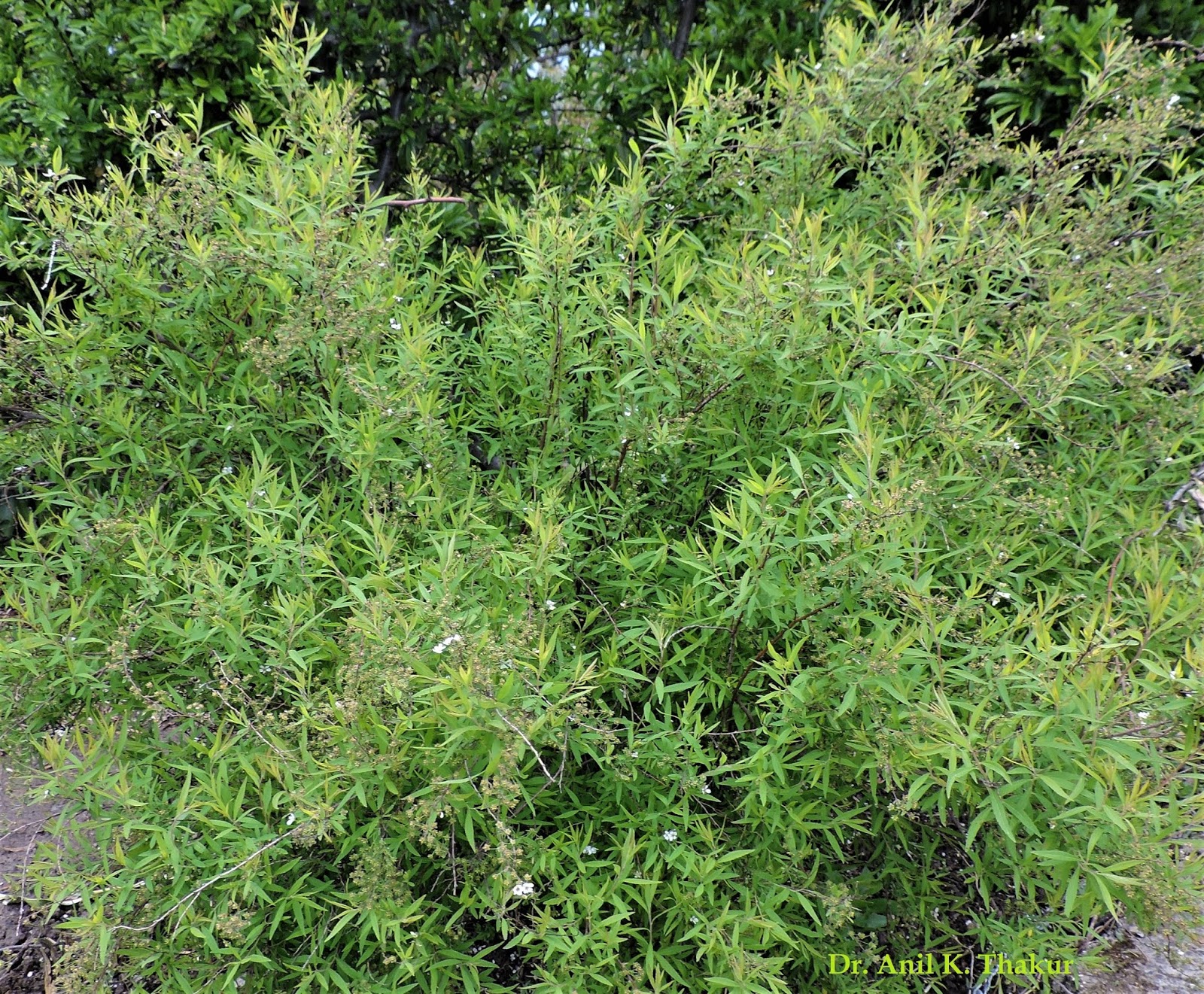
SPIRAEAS

1.  Japanese Spiraea

Botanical name: Spiraea japonica 


2. Reeves' Spirea, Double Bridal Wreath

Botanical name:  Spiraea cantoniensis


 3. Grey Stem Spiraea

Botanical name:  Spiraea canescens


4. Thunberg's Spirea

Botanical name:  Spiraea thunbergii


MY BOOKS ON BOTANY

First Edition August 2021

 
  First Edition September 2020
 
 
 First Edition August 2020
 
First Edition in 2018
 
 
First Edition in 2019 
 
First Edition in 2016
First Edition in 2017
First Edition in 2019
First Edition in 2017
First Edition in 2018
First Edition in 2019  
First Edition in 2017
First Edition in 2018
First Edition in 2015
First Edition in 2016
 First Edition in 2016
First Edition in 2015
First Edition in 2014

First Edition in 2007


Sunday, 21 January 2018

Connecting Traditions with Science: 3. CEDARS OF GODS


Trees Sacred for Hindus, Muslims and Christians


Cedrus deodara (Himalayan Cedar, Devdaar, Devdaaru) is sacred in Hinduism. It is considered to be associated with many deities. People in some areas of Uttrakhand also associate Lord Shiva with this magnificent tree. The plant name Devdaar is itself made up of two words- Dev (God) and Daar or Dyaar (Wood), meaning wood of the God. This tree has many reported medicinal properties besides being sacred to the Hindus.

Ghatotkach Temple under a Devdar Tree (Cedrus deodara) in Manali near Hidimba Mata temple
 

Another Cedar, Cedrus libani ( Cedars of Lebanon) is mentioned in Holy Kuran and Holy Bible. It is known as Arz al-Rab (Arz of the God) or Shajaratul -Allah (Tree of the Lord) or Arz al-Lebanon in the Arabian countries. It may be Sidrah of Holy Kuran (Consult Dr. Mohammed Iqtedar Husain Farooqi' s book on Plants of the Quran). The Cedars of Lebanon are mentioned in the Holy Bible (Old Testament) over 75 times.


Cedrus libani  growing in the Forest of the Cedars of God (UNESCO World Heritage Site) in Kadisha Valley, Bsharri District, Lebanon (Photo Source: Wikipedia)  

Female Cone of Himalayan Cedar 
Towering Devdaars in Shimla

Medicinal Uses of Himalayan Cedar

The wood of Devdaar is considered carminative, diaphoretic and diuretic. It is reported to be useful in fever, flatulence, heart palpitation, paralysis, pulmonary troubles, and urinary diseases[1,2].

References
1. Chauhan NS. Medicinal and Aromatic Plants of Himachal Pradesh. Indus Publ. Co., New Delhi, 1999.

2. Khare CP. Indian Medicinal Plants: An Illustrated Dictionary. Springer Science+Business Media, LLC, 2007.

Tuesday, 31 May 2016

Plant Biodiversity in Shimla: Wild Fruits in May


May is so beautiful:
Orchards are fair;
Branches of fruit trees
Make gardens of air.
Flowers of fragrance
Bloom in the light;
Fall like the snowflakes
Showering white.
Orchards of heaven
Grow with a grace,
And like a blessing
Perfume the place.
 

  •  Helen Maring 

       May is a time for many wild fruits and beautiful blooms in this region in the North West Himalaya. These wild fruits are cherished by one and all either from the wild or purchased from roadside venders. Some of them are listed below:

1. Box Myrtle, Bayberry

 Hindi: Kaiphal, Kaphal
Shimla: Kale bhaure

Sanskrit: Katphala, Mahavalkala
Botanical name: Myrica esculenta   

Synonym: Myrica sapida
Family: Myricaceae (Bayberry family)


Kaphal is one of the many delicious wild fruits found throughout mid-Himalayan region. The fruit are deep-red colored similar to raspberries.   
  

2. Yellow Himalayan Raspberry
Hindi: Lalanchu, Hinsal

Vernacular Names: Heer हीर, Achhu आछू, Bhumla भूमला (रोहड़ू), Akhe (आखे),  Akhre आखरे

Botanical name: Rubus ellipticus   

Synonym: Rubus rotundifolius
Family: Rosaceae (Rose family)


It is also a very tasty wild fruit found in the North West Himalaya.